
TL;DR: Water softener salt comes three ways: evaporated pellets (purest, the right default), solar crystals (cheaper, more residue), and potassium chloride (sodium-free at 3-4× the price). A Utah County family typically burns one 40-lb bag every 4-8 weeks. Keep the brine tank a quarter to two-thirds full.
Which salt should you buy?
Evaporated pellets at 99%+ purity resist bridging and leave minimal tank residue, worth the dollar over solar crystals given how often Utah County systems regenerate. Potassium chloride suits sodium-restricted households; budget for the premium and slightly faster consumption.
What are bridging and mushing?
A salt bridge is a crust that forms above the water line: the tank looks full while the brine below runs empty, and hard water sneaks back without warning. Break it gently with a broom handle. Mushing is recrystallized sludge at the tank bottom that blocks the cycle, scoop it during an annual tank clean.
When is salt use a warning sign?
Salt disappearing fast points to over-regeneration or an undersized unit; salt never moving means no regeneration at all, check for a bridge, then call. Settings checks ride along with softener service: 801-874-8479.
Expert-reviewed by Utah Service Pros. Last updated June 2026.
Questions about water softener salt? Call Utah Service Pros at 801-874-8479 for straight answers and a flat-rate quote.
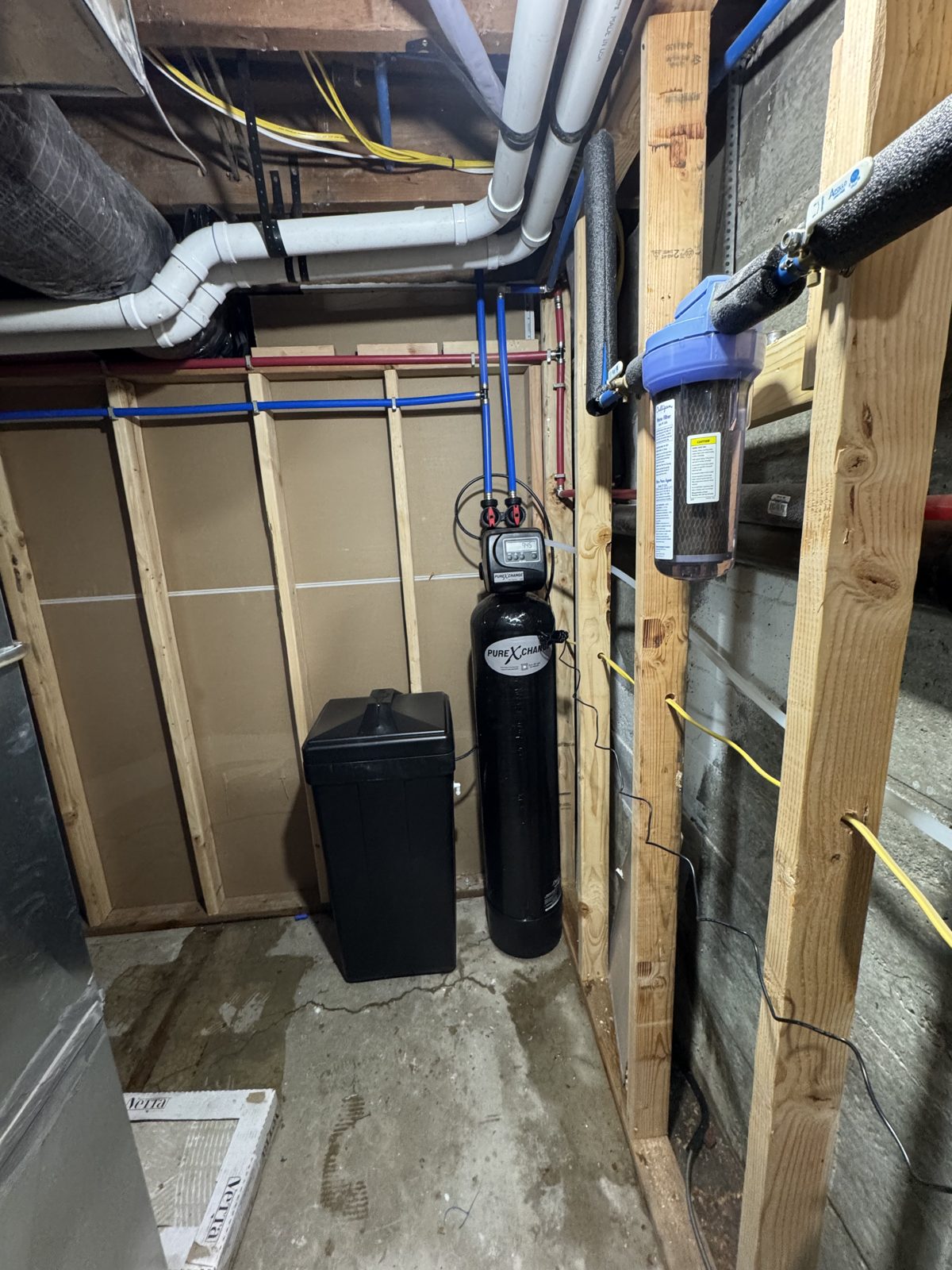
Water Softener Salt: quick answers
Water softener salt comes down to three things: act early, get a proper diagnosis before paying for anything, and insist on flat-rate pricing. For water softener salt anywhere in Utah County, Utah Service Pros handles the diagnosis and the fix in one visit, with permits included where required.