Hard water vs soft water, explained by the licensed plumbers at Utah Service Pros in Payson.
TL;DR: Hard water carries dissolved calcium and magnesium; soft water does not. Hard water scales appliances, spots dishes, and stiffens laundry; soft water rinses clean and protects plumbing. Utah County sits at the top of the USGS hardness scale, which is why softened homes here feel the difference immediately.
| Hard water | Soft water | |
|---|---|---|
| Minerals | 10.5+ GPG in Utah County | <1 GPG after softening |
| Appliances | Scale shortens lifespan | Full rated life |
| Soap | Curd; more detergent needed | Lathers fully; less soap |
| Skin and hair | Residue, dryness complaints | Rinses clean |
| Health | Safe, minerals are nutrients | Safe, adds trace sodium |
Is soft water better for everything?
Almost, with honest exceptions: some people prefer hard water’s mineral taste for drinking (an under-sink RO tap settles that debate), and garden plants do not love softened water’s trace sodium, which is why outdoor spigots typically bypass the softener.
How do you get from hard to soft?
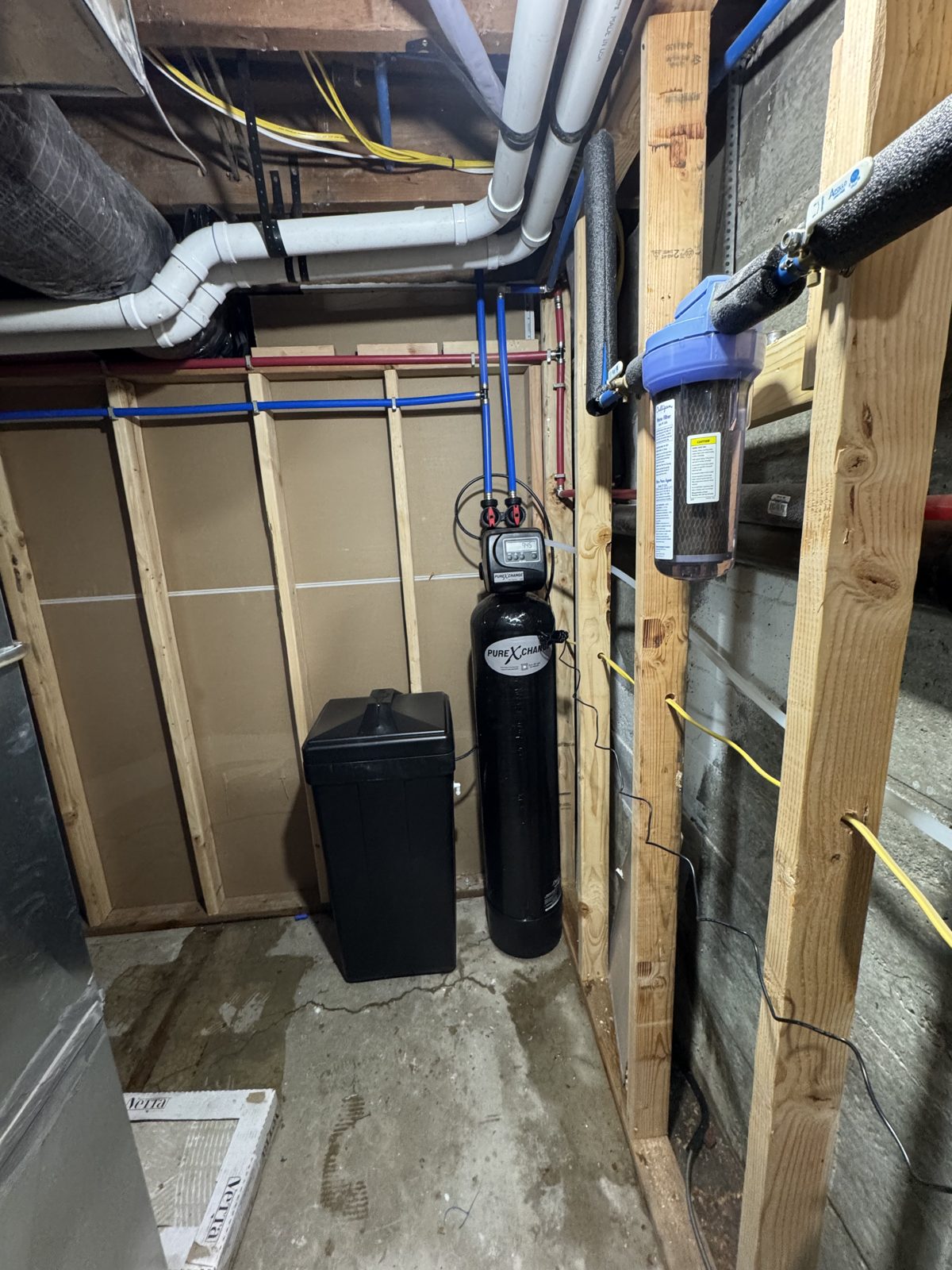
Ion exchange, a water softener sized to your measured grains per gallon. The change shows up in the first week of laundry and the first year of water-heater performance. Free hardness test: 801-874-8479; full local context in our Payson hard-water guide.
Expert-reviewed by Utah Service Pros. Last updated June 2026.
Questions about hard water vs soft water? Call Utah Service Pros at 801-874-8479 for straight answers and a flat-rate quote.
Hard Water Vs Soft Water: quick answers
Hard water vs soft water comes down to three things: act early, get a proper diagnosis before paying for anything, and insist on flat-rate pricing. For hard water vs soft water anywhere in Utah County, Utah Service Pros handles the diagnosis and the fix in one visit, with permits included where required.